From Addis Ababa: ETQAAN Authority Promotes African Integration in Quality Assurance, Accreditation, and the Recognition of Qualifications and Skills

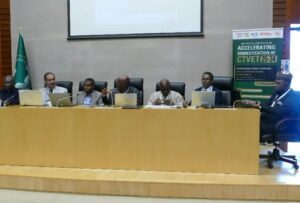
From Addis Ababa: ETQAAN Authority Promotes African Integration in Quality Assurance, Accreditation, and the Recognition of Qualifications and Skills
Egyptian Participation in the African Union Conference on “Accelerating the Domestication of the Continental TVET Strategy 2025–2034”
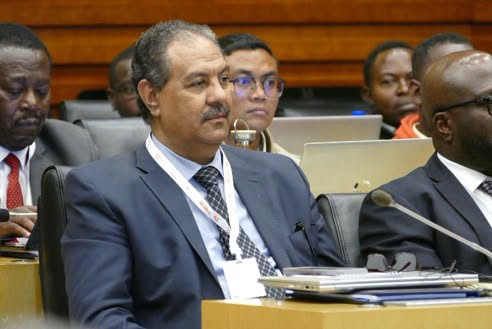
 line with the directives of Prof. Dr Mohamed Mousa Emarah, Chairman of the Egyptian TVET Quality Assurance and Accreditation Authority (ETQAAN), emphasizing the importance of strengthening Egypt’s presence and active contribution to continental efforts aimed at developing technical education and vocational training systems and ensuring their quality, Prof. Dr Ibrahim Fares, Vice President for Technical and Technological Education at ETQAAN Authority, represented the Authority at the conference on “Accelerating the Domestication of the Continental TVET Strategy 2025–2034.”
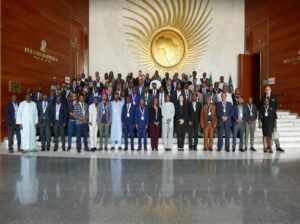
The conference was organized by the Department of Education, Science, Technology and Innovation of the African Union Commission, in cooperation with Don Bosco Technical Institute in Africa and other partners, and was held from 17 to 19 August 2026 at the headquarters of the African Union Commission in Addis Ababa, Ethiopia.
The conference aimed to strengthen political dialogue and strategic cooperation among African countries, exchange expertise and practices, and establish practical pathways for developing technical education and vocational training and skills development systems, while enhancing quality assurance and accreditation in alignment with labor market needs and economic and technological transformations.
ETQAAN Authority’s participation reflects Egypt’s commitment to contributing to the African skills development agenda and leveraging Egypt’s institutional experience in establishing and operationalizing a specialized national system for quality assurance and accreditation in technical education and vocational training.
In this context, the Authority emphasized the importance of expanding African cooperation in quality assurance and accreditation through the exchange of expertise, capacity building, and contributions to the development of the necessary standards, frameworks, guidelines, and institutional procedures, thereby contributing to enhancing the quality of technical education and vocational training institutions and programs.
The Authority also put forward an approach aimed at moving beyond the mere exchange of expertise towards establishing an integrated African system for quality assurance, accreditation, and the recognition of qualifications and skills. This would involve aligning national standards with continental and international frameworks, developing common quality indicators, and strengthening cooperation among quality assurance and accreditation bodies across African countries, including the development of mechanisms for cooperation and mutual recognition.
This approach represents an important pathway towards strengthening confidence in education and training outcomes, facilitating the mobility of skills and competencies across African countries, and supporting the recognition of qualifications and programs in line with labor market requirements and the objectives of economic integration and development across the continent.
ETQAAN Authority affirmed its readiness to cooperate with the African Union Commission, national African quality assurance and accreditation bodies, education and training institutions, the industrial sector, and development partners, with a view to facilitating the exchange of expertise, developing practices, and strengthening institutional cooperation in quality assurance and accreditation in TVET.
The Authority seeks to leverage its institutional expertise to support cooperation between Egypt and African countries in the field of quality assurance and accreditation, and to contribute to translating the objectives of the Continental TVET Strategy 2025–2034 into actionable practices, initiatives, and programs that support the future of African youth, enhance employment and development opportunities, and promote continental integration.